Add Dermatim as a preferred source on Google
What causes an ingrown toenail?
A genetic predisposition plays an important role. Some people have curved nails and their shape inevitably causes them to cut into the surrounding skin. Extremely tight footwear can cause damage. Excess weight, inadequate nail clipping and poor hygiene can be crucial.
What are the symptoms?
Pain and mild pulsations around the nail are one of the firsts symptoms. Redness, mild swelling and, in later phase, colourless or yellowish discharge. If left untreated, the tissue around the nail thickens and grows as a separate tissue, a granulation. If left untreated, the redness can spread to the entire toe and cause bacterial damage to subcutaneous tissue and even bone. Special attention should be paid to diabetics who are more prone to infection, and in their case the process of healing is slower.How to treat an ingrown nail?
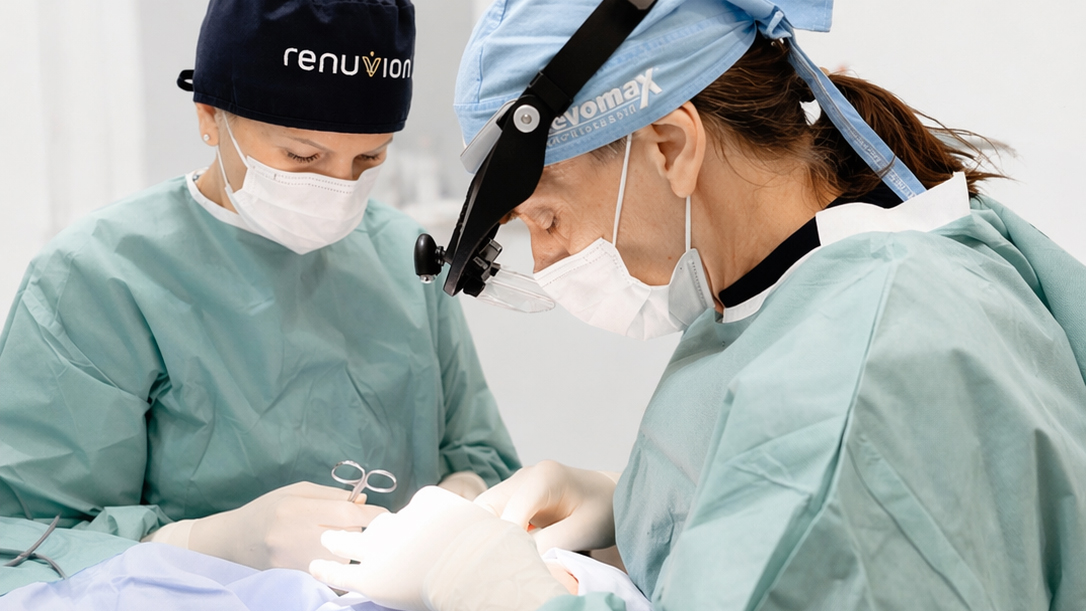
Only the initial phase can be treated at home: by immersing the feet in warm water for 20 minutes, shortening the toenail when it softens or pulling it out using a cotton ball under the nail, rinsing with antiseptic solutions and using antibiotic ointments. At a later stage, it is necessary to consult a dermatologist who, under local anaesthesia, can remove excess nail from the flesh and remove granulation tissue. It is not necessary to pull the toenail out and do further damage to the nail bed. If the condition recurs, surgical intervention is necessary. The surgery is performed under local block anaesthesia. It is completely painless. The incision of the nail is made in the area where it enters the surrounding skin. Cutting the nail plate in the matrix, the part where the nail grows under the skin, makes it a permanent solution. The stitches are removed after 2 weeks, and it is advisable for the patient to rest during the first 3 days. After the removal of the stitches, the nail plate remains in place, it is only slightly narrower than it was before the intervention.
Schedule an appointment
+381 60 4550 798

Our Services
All types of dermatological examinations and interventions, aesthetic treatments and surgical interventions